In 2022, we asked a bold question: Could artificial intelligence help detect cancer from a simple urine sample? At first glance, the idea sounds futuristic—yet the biology behind it is straightforward. Cancer cells do not behave like healthy cells: they alter metabolic pathways, consume energy differently, and produce chemical by-products that can leave detectable traces in bodily fluids, including urine.
By the end of 2025, this idea had evolved into a functional AI-based diagnostic prototype, presented in Brussels. The algorithm was developed at HOFITECH s.r.o., in corporation with Comenius University in Bratislava, the Jessenius Faculty of Medicine in Martin (UKBA) and Novo s.r.o., under the AI development leadership of Ing. Viktor Vaňo and CEO RNDr. Gabriel Horváth, PhD., MBA.
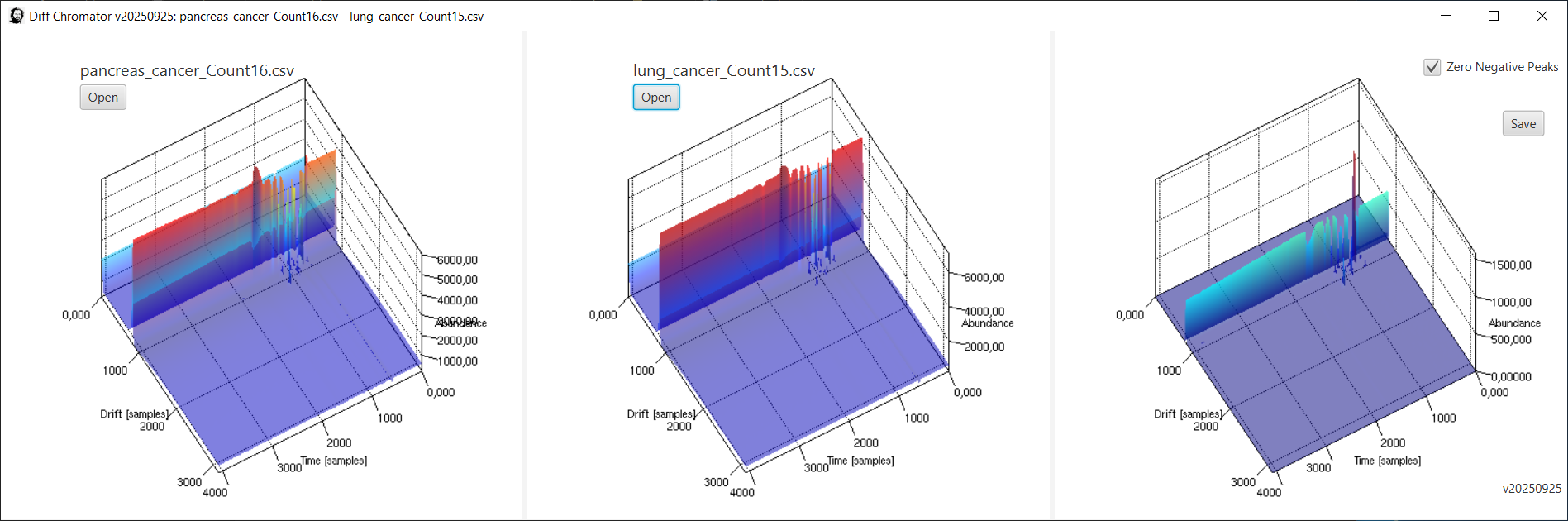
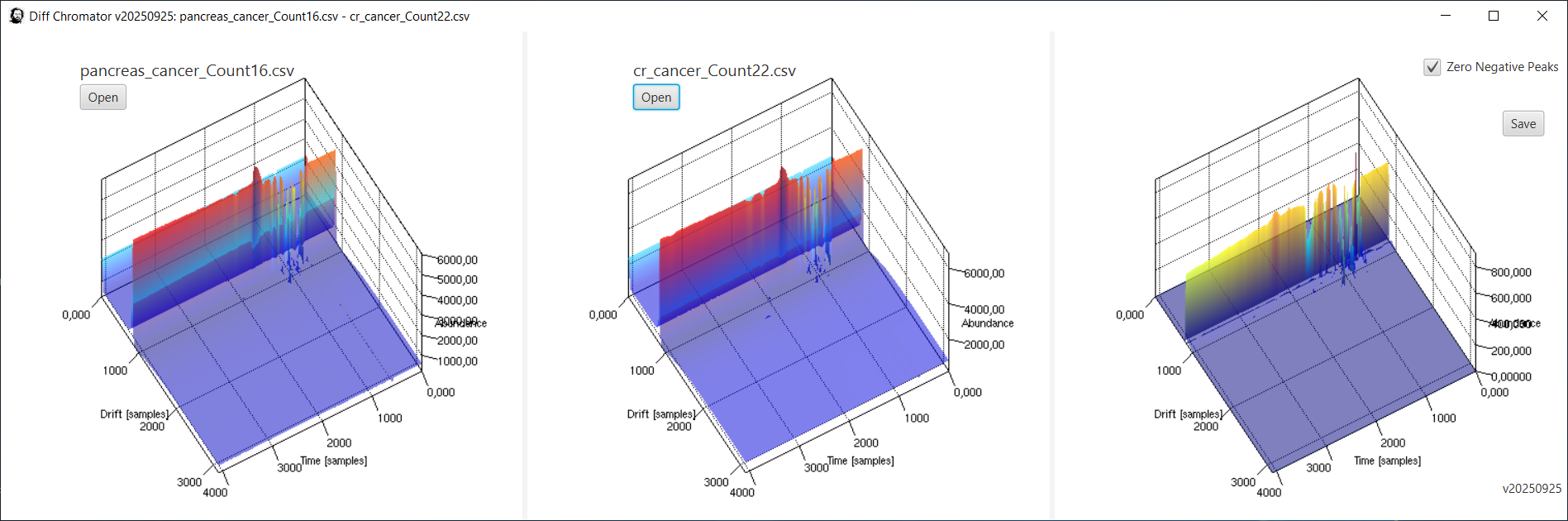
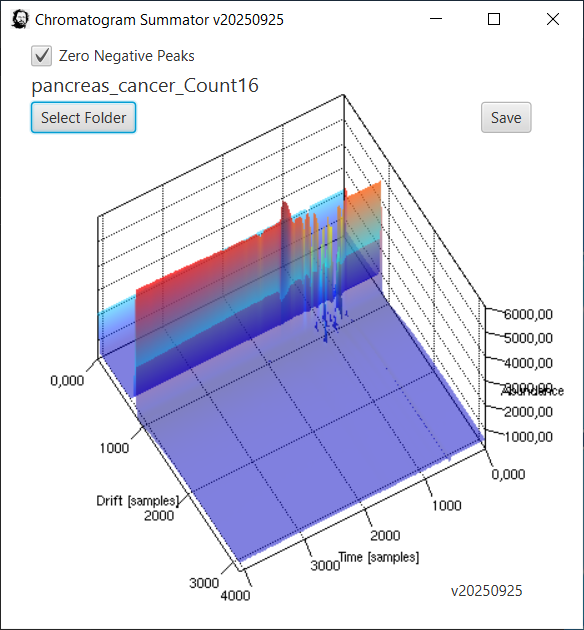
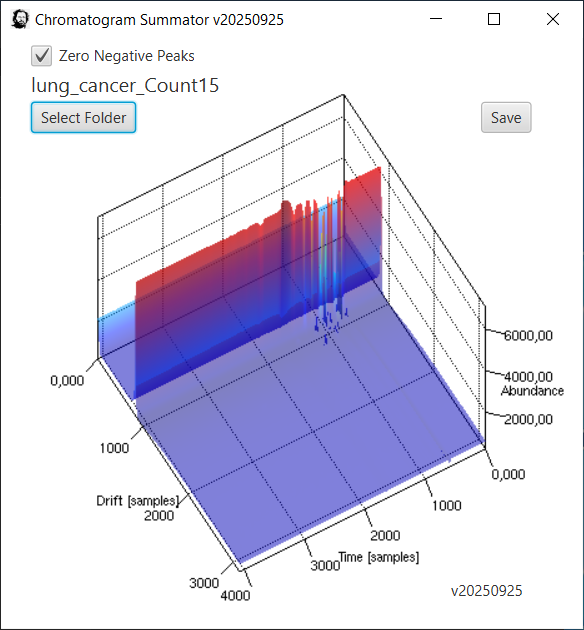
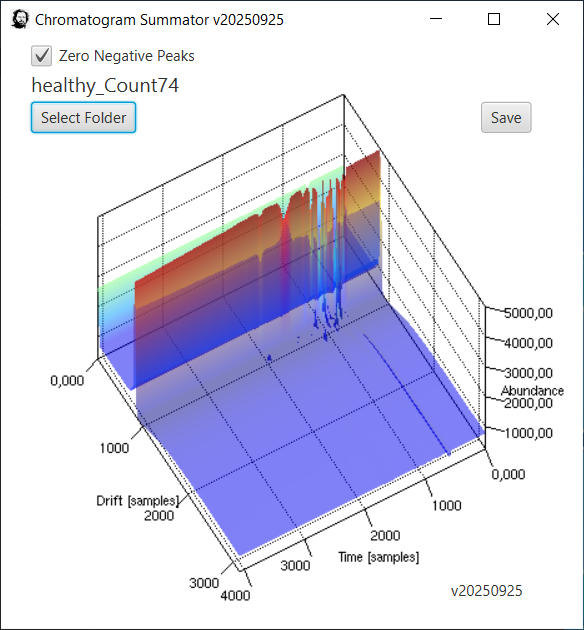
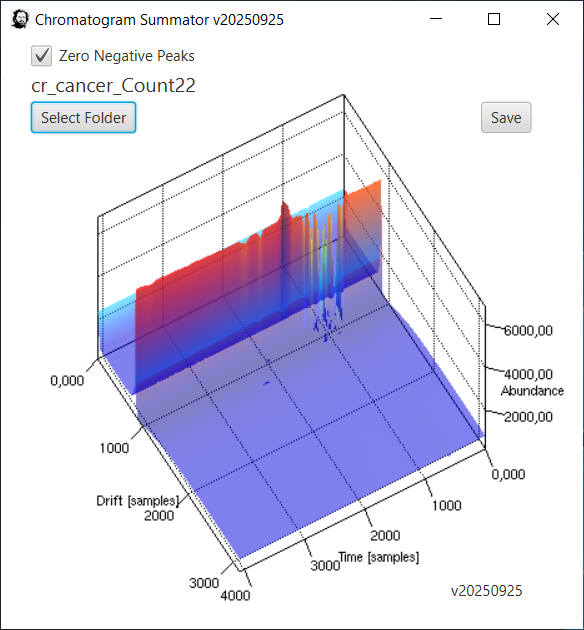
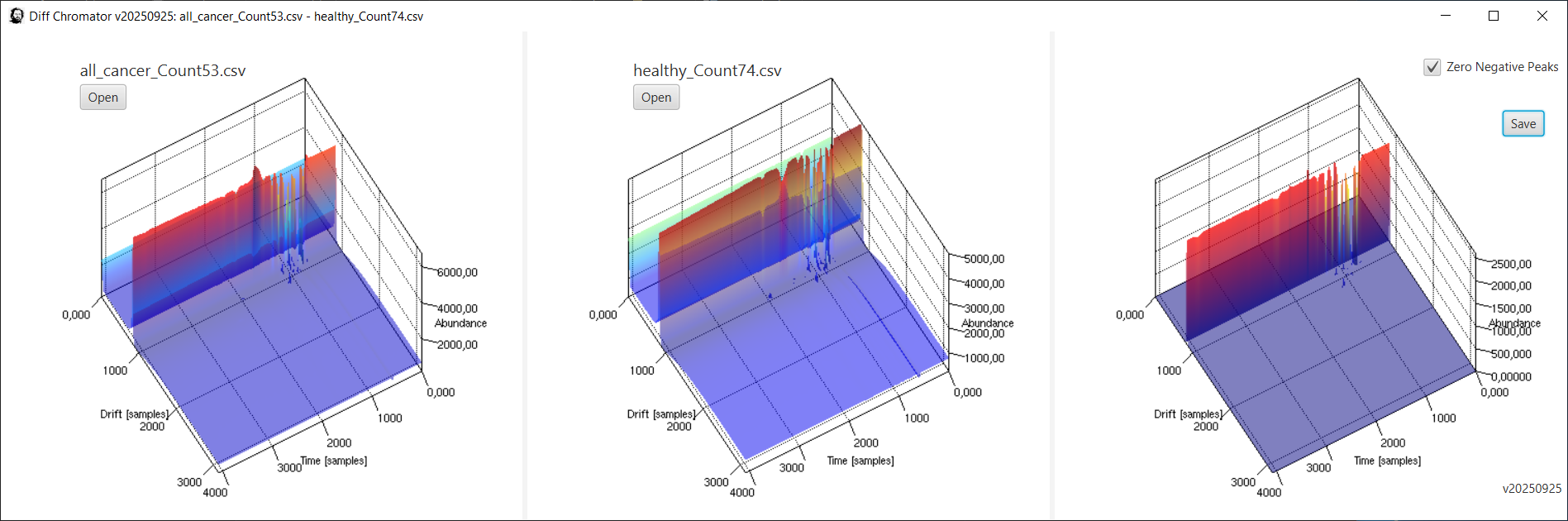
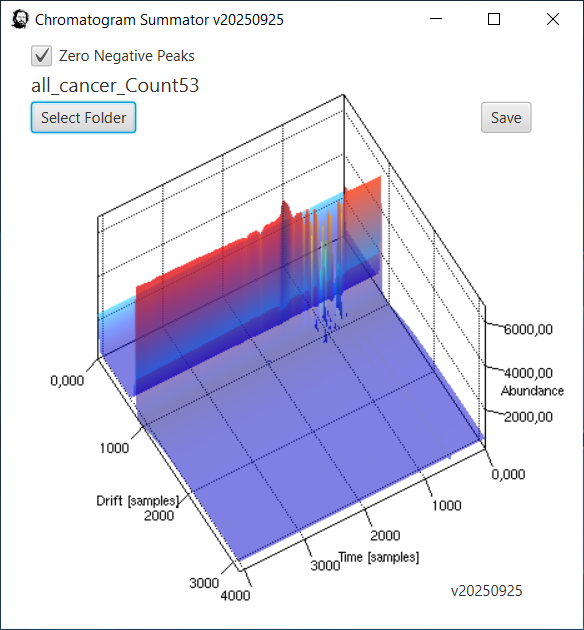
Cancer cells can produce metabolic compounds that differ from those of healthy cells. Some of these compounds—especially volatile and semi-volatile ones—can be detected in urine. To capture these chemical signatures, we used GC-IMS chromatography (Gas Chromatography–Ion Mobility Spectrometry), a sensitive method that separates molecules in two stages and produces a two-dimensional chromatogram—a chemical “fingerprint” of each sample.
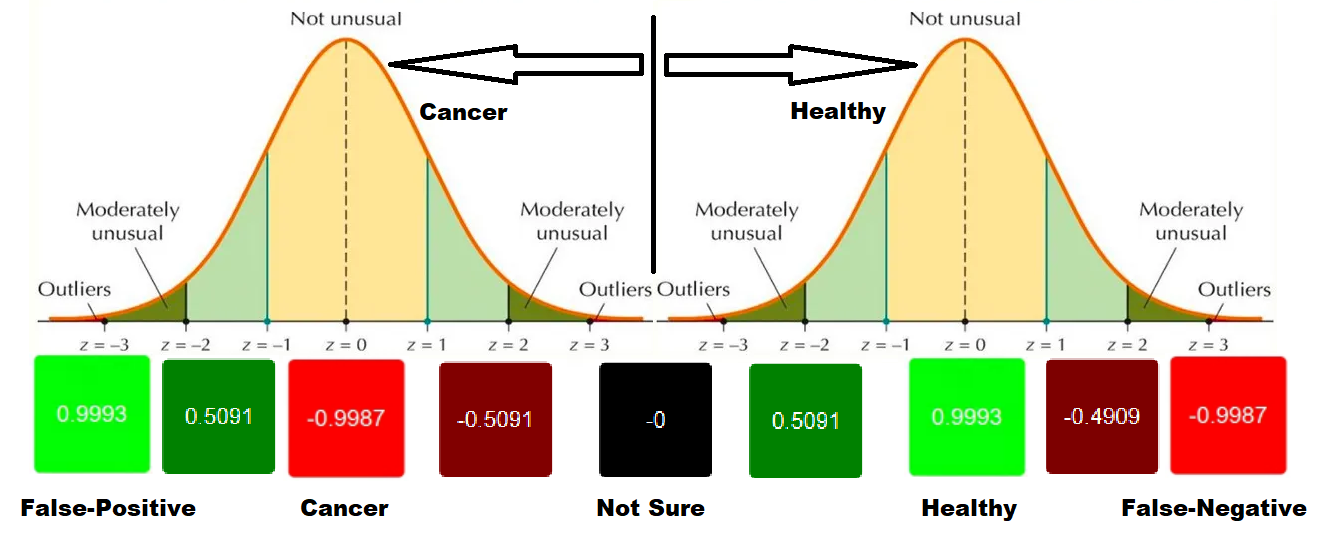
A feed-forward neural network was designed to process these patterns and output a probability score. For usability, the result can be visualized in a simple way: green for likely healthy and red for likely cancer (see Figure 1). The goal was a clear signal for non-specialists, backed by rigorous data processing in the background.
The hardest part of building medical AI is often not coding—it is collecting high-quality labeled data. In our case, cancer samples were far fewer than healthy samples. On top of that, real-world collection introduces variables such as time between collection and measurement, freezing and transport conditions, and natural biological differences between patients. All of these can influence the chromatogram.
Standard neural network practice uses an 80/20 split (80% training, 20% testing). Due to the scarcity of cancer samples, we used the opposite: 20% for training and 80% for testing. This is unusual—and it forced us to be very careful about how we train, validate, and interpret performance.
The Data Challenge
We faced limited cancer samples compared to healthy ones. Instead of the standard 80/20 training split, we used 20% for training and 80% for testing due to data scarcity.
To make learning effective with a small training set, we introduced an adaptive approach we called the “Equity Training Strategy.” In simple terms, the model spends more learning effort on the samples it finds difficult.
Using only 10 healthy and 10 cancer samples for training, we achieved 88% cancer detection accuracy (29/33), 98% healthy classification accuracy (51/52), and approximately 94% overall test success across 85 samples. For a pilot project under unconventional training constraints, this was a strong proof of concept.
We introduced an adaptive training approach where difficult samples received more learning iterations than easy ones. This ensured fair attention to complex cases despite the small training dataset.
These results were presented in Brussels in October 2025, where the project drew interest from other presenters and attendees. The discussion highlighted a key point: combining analytical chemistry with AI can make complex measurements more accessible—and potentially useful—in real diagnostic workflows.
This was a pilot project with a successful outcome, and it defines a clear roadmap for the next phase. Next steps include expanding the dataset (especially cancer cases), improving robustness against sample-handling variability, and strengthening validation across broader patient populations.
In parallel, we plan to move from “pattern detection” toward deeper chemical understanding—working to identify which compounds or compound families contribute most to the model’s decisions. We also aim to improve explainability so clinicians and lab teams can understand why the model flags a sample, not only what it predicts. Next steps include expanding the dataset, improving neural network robustness, identifying key metabolic compounds, and enhancing explainability of the model.